
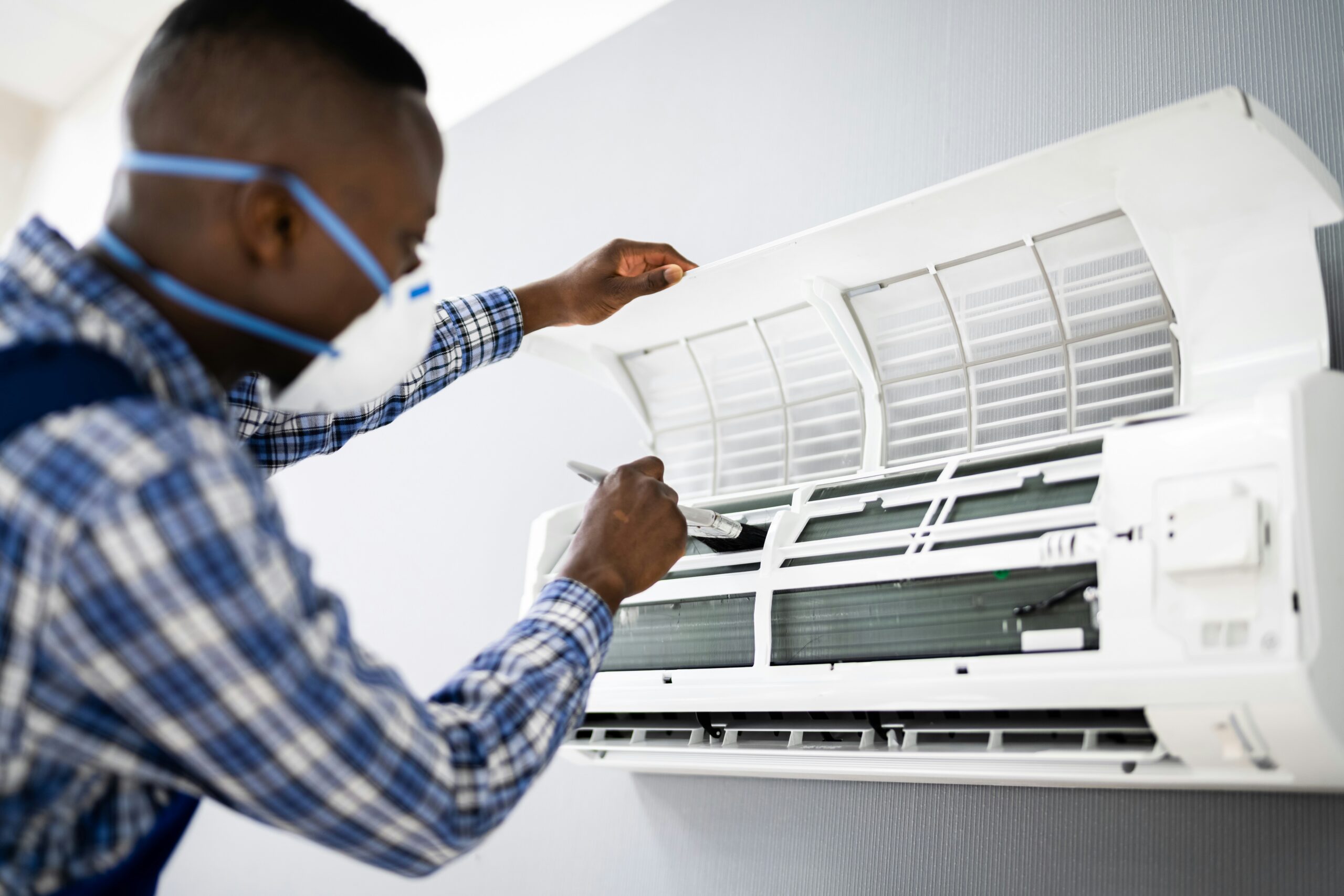
A room can have plenty of conditioned air entering through supply registers and still feel uncomfortable if that air has no easy path back to the HVAC system. Smart return air vent ideas focus on circulation, pressure balance, and unobstructed airflow. Good return placement can reduce stubborn hot or cold areas while helping the heating and cooling system move air through the home more effectively.
Why Return Airflow Changes Room Comfort
Supply vents push conditioned air into living spaces, while return vents draw indoor air back toward the air handler. Both sides of that circulation loop matter. Restricting the return path can leave rooms pressurized, slow airflow, and make temperature differences more noticeable.
A central return may work well in an open-plan home, but closed bedrooms can behave differently. If shutting a door noticeably changes airflow or comfort, the room may need a better pathway for air to reach the return side.
Give Closed Rooms a Return Path
Dedicated returns are one option, but they aren’t the only solution. Transfer grilles, jump ducts, and appropriately designed door undercuts can allow air to leave a closed room without requiring a return register on every wall.
Position Returns Where Air Can Reach Them
Return grilles work best when furniture, curtains, storage, and decorative pieces don’t block them. A large cabinet directly in front of a low wall return can interfere with circulation even if the grille itself is generously sized.
Looking at room planning inspiration can also be useful when arranging furniture around functional elements. Treat return vents as part of the room plan rather than something to hide after everything else has been placed.
| Return Setup | Useful Situation | Main Consideration |
|---|---|---|
| Central hallway return | Open connected rooms | Bedrooms still need return paths |
| Dedicated room return | Frequently closed rooms | Requires proper sizing |
| Transfer grille | Interior rooms | Sound transfer may matter |
| Jump duct | Bedrooms | Needs accessible routing |
High and Low Returns Can Behave Differently
Return placement is often influenced by the HVAC design, climate, duct routing, and whether the system primarily heats, cools, or handles both. High-wall or ceiling returns can collect warmer air effectively during cooling, while lower returns may interact differently with heated air.
Homes with complicated floor plans benefit from thinking about circulation alongside layout-focused design ideas. A return that looks perfectly centered on a wall isn’t automatically useful if airflow has to pass around doors, large furniture, or narrow corridors to reach it.
Balance Supply and Return Air Instead of Adding Random Vents
Adding another grille doesn’t automatically solve a comfort problem. A weak room may instead have a partially closed damper, crushed flexible duct, dirty filter, poorly positioned supply register, or insufficient airflow from the equipment.
Before changing ductwork, compare how the room behaves with doors open and closed. Broader comfortable living-space ideas can help with furniture planning, but HVAC airflow should remain the deciding factor around vents.
Where Return Vent Planning Often Goes Wrong
One common mistake is assuming that bigger returns always mean better comfort. Return ducts, filters, blower settings, supply airflow, and room pressure all work together. Enlarging a grille connected to an undersized duct may produce little improvement.
Another mistake is covering an unattractive return with furniture or decorative panels. Air still needs a low-resistance path into the grille, so cosmetic improvements shouldn’t substantially reduce its open area.
Frequently Asked Questions
Should every bedroom have a return air vent?
Not necessarily. Some HVAC systems use dedicated bedroom returns, while others rely on transfer grilles, jump ducts, door undercuts, or nearby central returns. The important issue is whether air can leave the room easily when the door is closed.
Can furniture block a return vent?
Yes. Placing furniture directly against a return grille can restrict airflow. Leave enough open space for air to enter freely, especially around large low-wall returns hidden behind sofas, dressers, or storage units.
Why does my room get warmer when I close the door?
Closing the door may restrict the room’s return-air path. Supply air continues entering, but pressure can build if air cannot escape easily, potentially reducing effective circulation and making the temperature less even.
Improve the Air Path Before Changing the Equipment
Start by checking the simplest circulation problems: blocked grilles, closed doors, dirty filters, obstructed registers, and rooms with no obvious return path. Small airflow corrections can sometimes solve comfort complaints without changing the HVAC equipment itself. If pressure or airflow problems persist, an HVAC professional can measure the system and determine whether duct modifications are appropriate.