

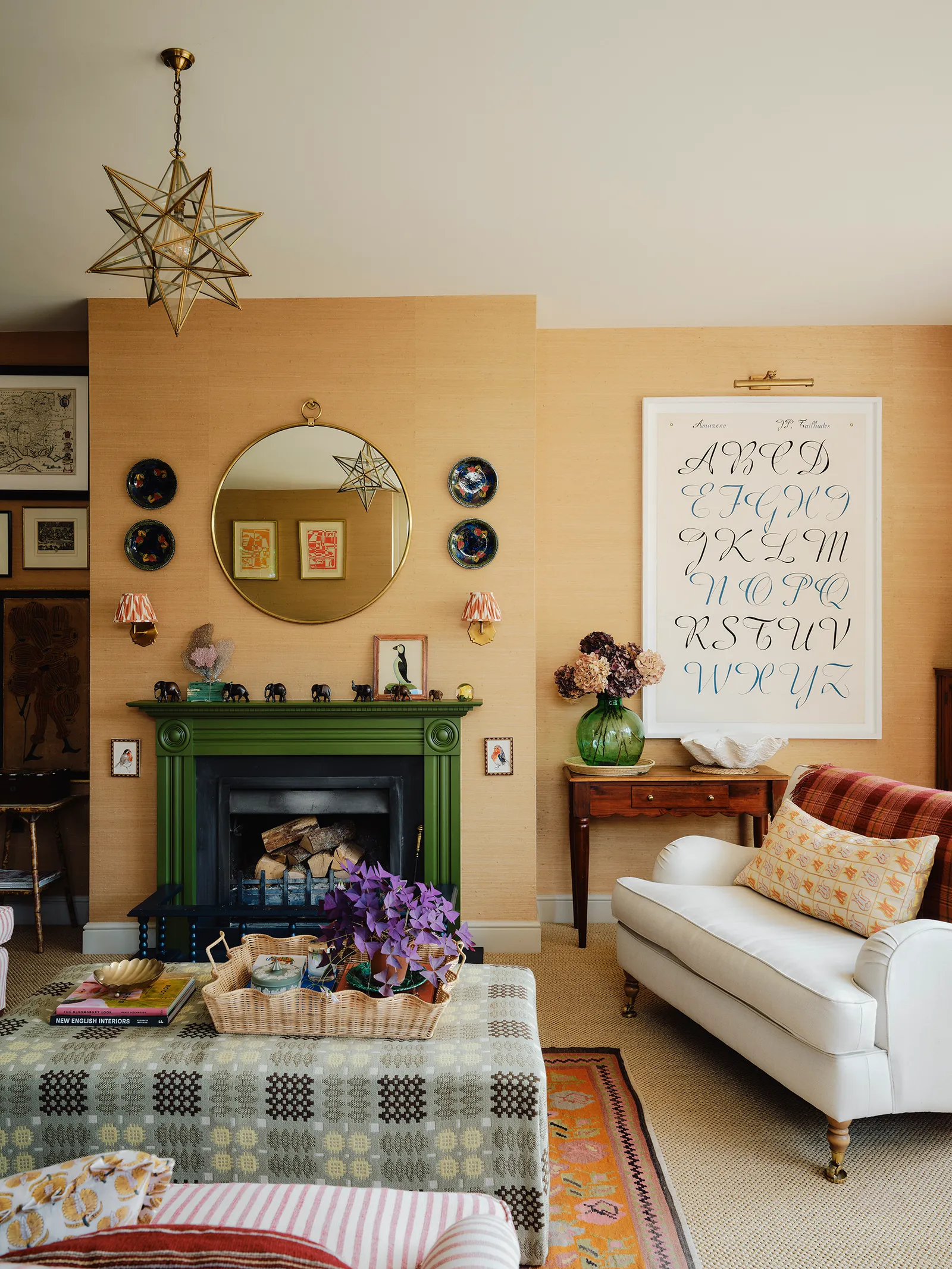
When people think about improving their homes, attention usually goes straight to the kitchen, living room, bathroom, or bedroom. These are the spaces we use most visibly, so it makes sense that they receive most of the decorating budget and planning. Yet some of the smallest and most overlooked areas can have a surprisingly large influence on how comfortable and functional a home feels.
Giving these forgotten spaces more thought does not necessarily require a major renovation. Sometimes better lighting, smarter storage, a practical piece of furniture, or a fresh purpose is enough to turn an ignored corner into a useful part of the home.
The Entryway Sets the Tone
An entryway may only occupy a few square feet, but it handles a lot of daily activity. Shoes are removed, bags are dropped, keys disappear, parcels accumulate, and jackets often end up wherever there is available space.
A well planned entrance can make leaving and returning home much easier. A narrow console, wall hooks, shoe storage, and a designated container for keys can reduce clutter without taking up much room.
The entryway becomes particularly important for households where daily routines involve school runs, work schedules, cycling, walking, or public transit. Creating a place for backpacks, umbrellas, reusable shopping bags, helmets, and other essentials can make busy mornings noticeably less chaotic.
Hallways Can Do More Than Connect Rooms
Hallways are generally treated as passages rather than usable parts of a home. However, depending on their width and layout, they can provide opportunities for storage and decoration.
Slim shelving can hold books or small objects without overwhelming the space. Family photographs or artwork can turn an otherwise blank wall into something personal. In wider hallways, built in cupboards can provide valuable storage for linen, cleaning supplies, coats, or household items.
Good lighting also deserves attention. Dark hallways can make a home feel smaller, while thoughtful lighting can create a brighter transition between rooms.
The Space Under the Stairs
In multilevel homes, the area beneath a staircase frequently becomes an awkward storage zone filled with objects that have nowhere else to go. With some planning, it can become one of the most practical areas in the house.
Depending on the available dimensions, the space could accommodate drawers, closed cupboards, bookshelves, a compact desk, or even a small reading corner.
Home design discussions featured on an Australian lifestyle blog often reflect the importance of making practical use of available space, especially as households look for ways to balance comfort, storage, work, and recreation within one property. An awkward architectural feature can become useful when its purpose is considered carefully.
Corners That Have No Clear Purpose
Almost every home has at least one corner that feels too small for conventional furniture but too noticeable to leave completely empty. Rather than filling it simply for decoration, consider what the household actually needs.
A corner could become a charging station, reading area, indoor plant display, homework spot, or compact workspace. A comfortable chair and lamp may be enough to create a place for reading. A floating desk can provide a useful work surface without requiring an entire home office.
The goal is not to fill every empty area. Open space is valuable too. The challenge is recognizing when an unused corner could solve a genuine household problem.
Garages Deserve Better Organization
Garages often begin as spaces for vehicles and gradually become storage areas for tools, boxes, sports equipment, seasonal decorations, and forgotten belongings.
Using vertical storage can dramatically improve the situation. Wall mounted racks, shelves, cabinets, and clearly labeled containers help keep the floor accessible. Frequently used objects should remain easy to reach, while seasonal items can be stored higher up.
The garage can also support changing transportation habits. Bikes, scooters, mobility products such as GLID, helmets, chargers, and related equipment benefit from having clearly designated storage areas where they can be accessed without moving piles of boxes first.
Laundry Areas Can Work Harder
Laundry rooms and laundry cupboards are among the hardest working areas in many homes, yet they are rarely treated with the same attention as kitchens.
Simple improvements can make a significant difference. Shelves above appliances provide space for detergents and cleaning products. A hanging rail can help with clothes that need to air dry, while baskets can simplify sorting.
For busy households navigating family life Australia, an organized laundry area can help reduce the amount of time spent searching for supplies, sorting clothing, and managing household chores. Function matters more than appearance here, although there is no reason the space cannot provide both.
Balconies and Small Outdoor Areas
A balcony, narrow patio, or side yard can easily become somewhere unused furniture and miscellaneous objects accumulate. Even a very small outdoor area can become useful with appropriate furniture and a clear purpose.
Compact seating can create a morning coffee spot. Vertical planting can introduce greenery without sacrificing floor space. Weather resistant storage can keep gardening equipment or outdoor accessories organized.
Rather than trying to imitate a large backyard, it is often better to work with the proportions of the space.
Looking at the Whole Home Differently
Improving a home does not always mean changing its biggest rooms. Sometimes the greatest opportunities are found in hallways, corners, entryways, garages, laundry areas, and other spaces that have gradually faded into the background.
Walking through the home and asking what each neglected area could realistically contribute can reveal possibilities that are easy to miss. With thoughtful planning, forgotten spaces can provide extra storage, reduce clutter, support daily routines, and make the entire home work more effectively.