
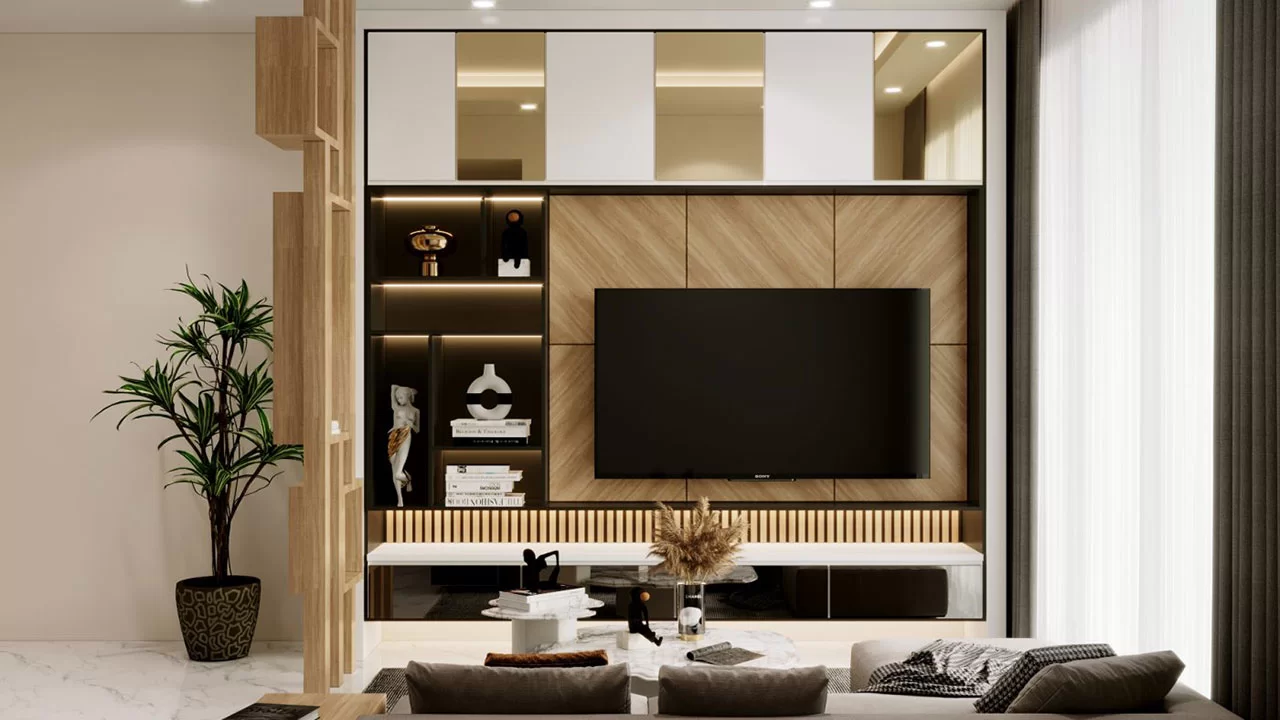
A wall-mounted television can look clean until plugs, adapters, and cords force it several inches away from the wall. Recessed outlet ideas solve that problem by placing the electrical connection inside a shallow wall cavity rather than leaving plugs projecting from a standard receptacle.
The same approach can help behind cabinets, beds, desks, and other furniture where every inch counts. The goal isn’t merely hiding wires. A good layout keeps plugs accessible, prevents excessive cord bending, and leaves enough space for the equipment you actually use.
Why Recessed Outlets Work Well Behind TVs
A conventional receptacle sits almost flush with the wall, but the plug and power brick attached to it may extend outward considerably. A recessed electrical box creates space inside the wall plane, allowing many plugs to sit farther back.
For a television installation, placement matters as much as depth. The outlet should align with the TV’s mounting position without interfering with the bracket, mounting rails, or ventilation openings.
Plan Around the Mount First
Choose the television height and mounting hardware before finalizing receptacle position. Some mounts have broad wall plates that can cover an outlet placed in the obvious center location.
Planning the electrical layout alongside the furniture and finish details can also prevent awkward corrections later. Looking at interior planning inspiration while mapping the wall can help keep power access from becoming an afterthought.
Create Space for More Than One Plug
Modern TV walls often contain more than a television. Streaming boxes, soundbars, powered antennas, network equipment, and small control devices may all need electricity.
A recessed box with adequate usable space can reduce the temptation to crush adapters behind the screen. However, don’t assume a deeper opening automatically makes every power arrangement appropriate. Manufacturer requirements and electrical rules still apply.
Design references from practical room-planning resources can also be useful when deciding whether components belong behind the television, inside cabinetry, or in a separate equipment zone.
| Layout Choice | Useful For | Watch For |
|---|---|---|
| Single recessed receptacle | Simple TV setup | Limited accessory capacity |
| Larger recessed box | Multiple plugs or adapters | Mount clearance |
| Outlet beside mount | Easy servicing | More visible cords |
| Outlet in cabinet | Centralized equipment | Cable routing distance |
Use Recessed Power Behind Tight Furniture
Televisions aren’t the only place where protruding plugs become frustrating. A dresser, nightstand, bookcase, console, or home-office desk may sit noticeably away from the wall because an adapter occupies the gap.
A properly selected recessed receptacle can let furniture sit closer without pinching the cord. That can be especially useful in narrow rooms where an inch or two affects walking space.
Homeowners collecting ideas from everyday home-layout reading should still treat electrical placement as a functional decision rather than purely a decorating choice.
Keep Power and Low-Voltage Cables Organized
HDMI, Ethernet, coaxial, and speaker cables often share the same TV wall, but they shouldn’t simply be stuffed into an electrical box with household power wiring. Use appropriate pathways and wall plates for each type of cable.
Avoid running ordinary detachable appliance cords through concealed wall cavities unless the cord and installation method are specifically approved for that purpose. If permanent in-wall routing is needed, use components designed for it.
Mistakes That Can Ruin a Clean Installation
One common mistake is positioning the recessed outlet before buying the TV mount. The bracket may land directly over the electrical box, turning a neat idea into a relocation job.
Another problem is choosing a box that looks spacious but doesn’t accommodate bulky adapters once the television is mounted. Accessibility also matters. An outlet hidden so completely that the screen must be removed for routine servicing may be inconvenient even if the finished wall looks perfect.
Any work involving household electrical wiring should follow applicable local requirements. If you’re not qualified to alter wiring or electrical boxes, have a qualified electrician handle that part of the project.
Frequently Asked Questions
Can a recessed outlet go directly behind a wall-mounted TV?
Yes, provided the location works with the mounting hardware and the installation follows applicable electrical requirements. Check the mount’s wall plate before choosing the exact position so the bracket doesn’t block the receptacle.
Do recessed outlets make furniture sit completely against the wall?
They can reduce the space required for a plug, but baseboards, ventilation gaps, furniture construction, and cord shape may still create some separation.
Can HDMI cables share the recessed electrical box?
Power and low-voltage connections require appropriate separation and hardware. Don’t place communication cables randomly inside a line-voltage electrical enclosure. Use compatible boxes, dividers, wall plates, or separate pathways where required.
Plan the Wall Before Opening It
The cleanest installation starts with the television, mount, furniture, adapters, and cable routes considered together. Mark everything before cutting drywall or moving wiring. A recessed outlet is most useful when it improves clearance without sacrificing accessibility or electrical safety. For permanent wiring changes, let proper equipment selection and qualified installation take priority over making the wall look perfectly empty.