

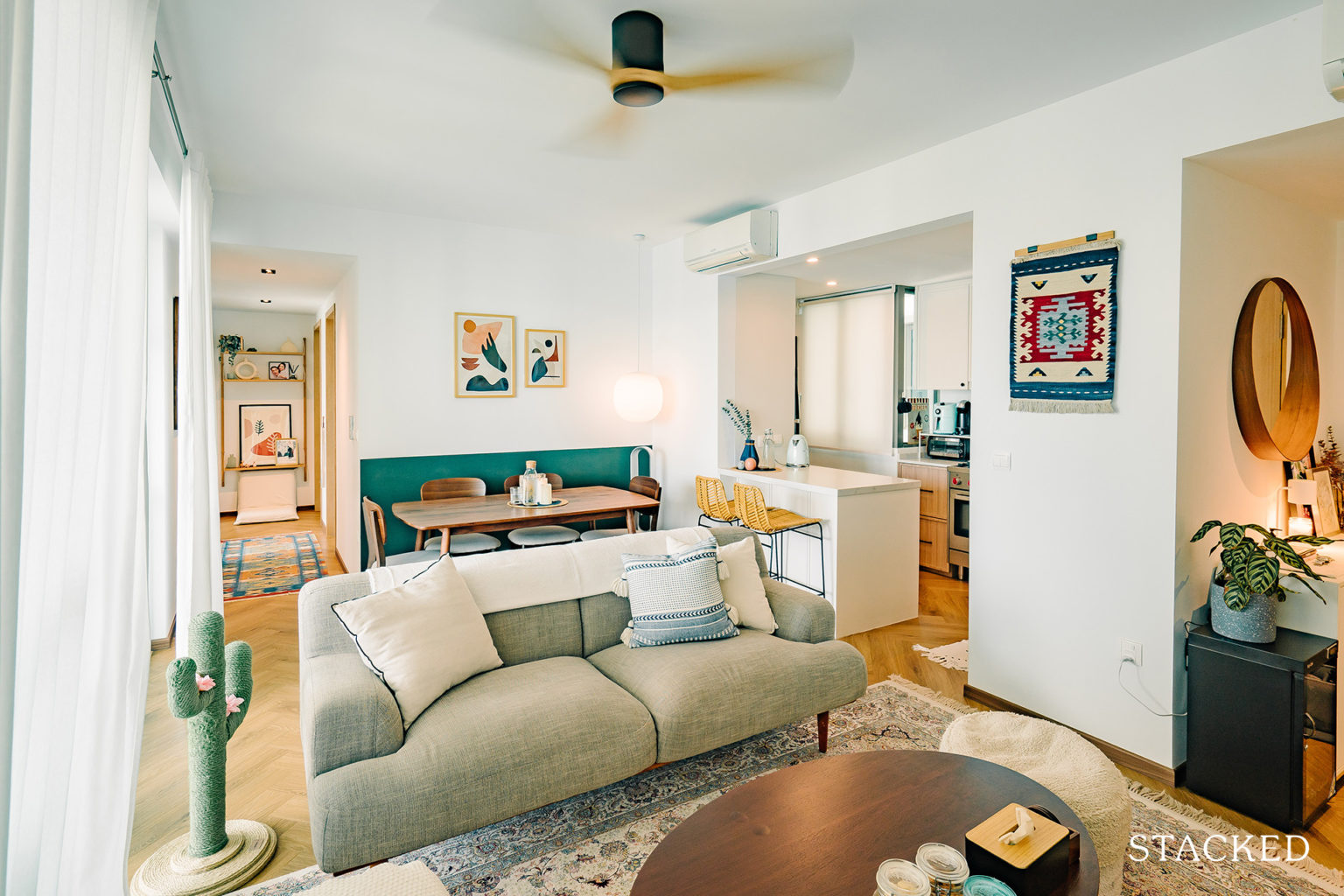
Home renovations often begin with the assumption that everything old must be replaced to create something new. Furniture is frequently the first casualty of this approach, even when existing pieces remain comfortable, functional, and visually appealing. However, renovating around furniture that already belongs in a home can produce interiors with greater personality while reducing unnecessary expenses. Rather than treating existing belongings as obstacles, homeowners can use them as the foundation for thoughtful design decisions that balance practicality, comfort, and individual style.
Recognizing Value in Furniture You Already Own
Furniture often carries value beyond its original purchase price. A wooden dining table may have hosted countless family gatherings, while a comfortable armchair might have become someone’s favorite reading spot. Replacing these pieces simply because they do not match a new decorating trend can remove familiar elements that make a house feel personal.
Before planning renovations, homeowners should assess their existing furniture for durability, usefulness, and emotional significance. Solid wood cabinets, quality sofas, and sturdy storage units may offer years of additional service with minor improvements. Discussions about sustainable interiors in a Melbourne online magazine can also encourage homeowners to reconsider the relationship between consumption, personal preferences, and responsible home improvement.
Designing Room Layouts Around Existing Pieces
Successful renovations require understanding how furniture interacts with available space. Instead of purchasing new pieces and adjusting the room afterward, homeowners can begin by measuring existing furniture and identifying arrangements that improve movement and accessibility.
A large sectional sofa, for example, may determine the most practical position for a television, lighting fixtures, and surrounding storage. Similarly, an oversized dining table might influence decisions about wall placement, flooring transitions, and kitchen accessibility.
Creating a simple floor plan helps homeowners visualize these relationships before construction begins. This approach can prevent expensive adjustments while ensuring that familiar furniture continues serving its intended purpose.
Refreshing Furniture Through Small Improvements
Furniture does not always need replacement to complement a renovated interior. Upholstery changes, refinishing, hardware replacements, and professional cleaning can significantly improve the appearance of older pieces.
A traditional wooden dresser might feel more contemporary after replacing its handles and refinishing its surface. Meanwhile, a sofa with a strong frame can receive updated upholstery that complements newly painted walls.
Lifestyle discussions featured on platforms such as The Lovers Point often explore personal expression and comfortable living environments. These ideas connect naturally with furniture restoration, where individual preferences influence design decisions more strongly than temporary decorating trends.
Choosing Renovation Materials That Complement Furniture
Existing furniture can provide valuable guidance when selecting flooring, wall finishes, and decorative materials. Rather than forcing every piece into an entirely new visual theme, homeowners can identify common colors, textures, and materials already present in their interiors.
For example, a room containing dark wooden furniture may benefit from lighter walls and natural fabrics that create visual balance. Neutral flooring can also provide flexibility when furniture styles differ.
Material samples should be examined alongside existing furniture under natural and artificial lighting. This helps homeowners understand how colors and textures interact throughout the day, reducing the possibility of disappointing results after installation.
Managing Renovation Expenses More Strategically
Keeping existing furniture can release funds for improvements that contribute more directly to everyday comfort. Instead of allocating a large budget toward replacement furnishings, homeowners may prioritize better insulation, updated electrical systems, improved ventilation, or durable flooring.
This approach encourages practical financial decisions without compromising interior quality. Content marketing discussions associated with OutreachRangers also highlight the importance of communicating genuine value rather than relying entirely on visual appeal. A similar principle applies to renovations, where lasting functionality deserves attention alongside appearance.
Homeowners should still account for furniture protection, temporary storage, and possible restoration costs. Comparing these expenses against replacement prices provides a clearer understanding of potential savings.
Considering Accessibility and Everyday Movement
Furniture placement should support comfortable movement throughout the home. Renovation plans need to account for door clearance, walking paths, natural light, and access to frequently used areas.
Urban households may also consider how daily routines connect with commuting, shopping, and public transport. Homes with limited storage can benefit from reorganized furniture arrangements that accommodate work bags, footwear, and other everyday essentials without creating clutter.
These practical considerations demonstrate that successful interior design involves more than attractive surfaces. A renovated home should respond naturally to the activities and responsibilities of its occupants.
Creating Interiors That Feel Personal and Lasting
Renovating around existing furniture offers an opportunity to combine familiar belongings with contemporary improvements. Older pieces can introduce warmth and character, while updated finishes and thoughtful layouts create a refreshed atmosphere.
Most importantly, this approach encourages homeowners to distinguish between genuine renovation needs and unnecessary replacement. A successful transformation does not require eliminating every trace of the past. By respecting existing furniture and making deliberate improvements, homeowners can create comfortable, functional interiors that reflect their personal histories while remaining adaptable to future needs.