
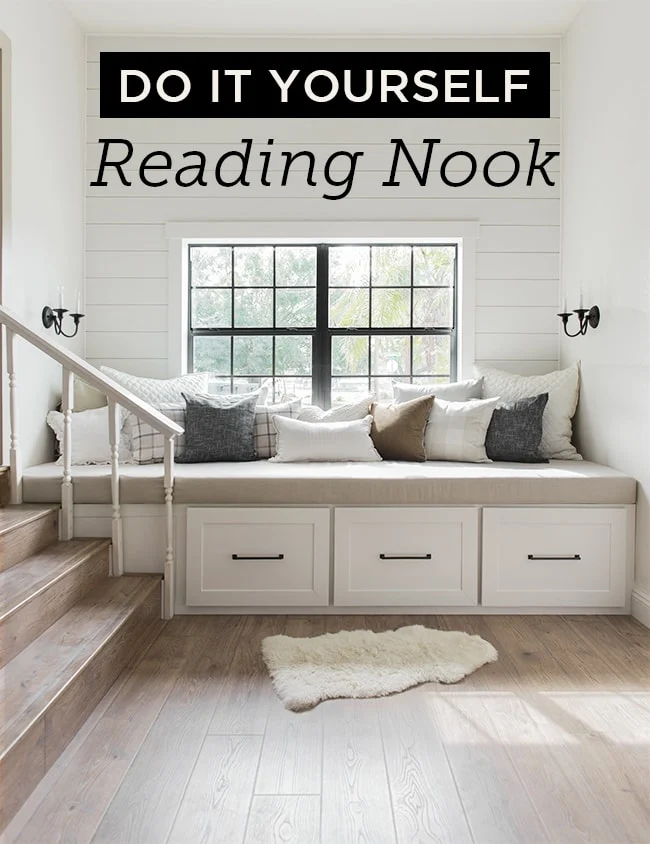
A window seat can do more than create a comfortable place to read or watch the outdoors. Adding drawers beneath the cushions turns otherwise unused space into practical storage for blankets, books, toys, seasonal items, and everyday clutter without changing the room’s footprint.
Plan Drawers Around How the Seat Will Be Used
Before choosing drawer sizes, think about what needs to be stored. Wide drawers work well for folded blankets and spare pillows, while several smaller drawers make it easier to separate books, games, craft supplies, or children’s belongings.
The seat height matters too. Deep storage may sound appealing, but oversized drawers can become heavy and awkward once filled. Looking at broader home layout inspiration can help you balance storage capacity with comfortable proportions.
Keep Frequently Used Items Easy to Reach
Items used every day should sit in the easiest drawers to open. Rarely used belongings can go deeper or toward the ends of a long built-in seat.
This simple arrangement prevents the window seat from becoming a place where useful items disappear beneath piles of unrelated storage.
Choose Drawer Fronts That Blend With the Room
A hidden-storage window seat looks most polished when the drawer fronts appear to be part of the surrounding architecture. Flat slab fronts suit modern rooms, while shaker-style fronts often work better in traditional interiors.
Minimal hardware can make the cabinetry feel quieter. Push-to-open mechanisms create an especially clean appearance, although handles are usually easier for children or anyone with limited hand strength.
| Drawer Approach | Good For | Main Consideration |
|---|---|---|
| One wide drawer | Blankets and pillows | Can become heavy |
| Two medium drawers | Mixed household storage | Good everyday balance |
| Multiple small drawers | Toys, books, accessories | More hardware required |
| Deep end drawers | Seasonal belongings | Harder to organize |
Coordinate Cushions With the Storage Design
Loose cushions should lift easily without blocking the drawers. If the cushion extends too far over the front edge, it may interfere with handles or make the cabinetry look cramped.
Use dense seat foam that holds its shape, especially on frequently used window seats. Exploring different interior styling approaches can also help you connect cushion fabric, cabinet finishes, nearby curtains, and wall colors without making the feature feel overly coordinated.
Make the Built-In Feel Intentional
The strongest window seats often connect visually with something nearby. Matching the drawer fronts to existing cabinetry, trim, shelving, or wall paneling can make the seat appear original to the house rather than added later.
Consider extending storage vertically if the wall allows it. Narrow bookshelves on one or both sides create a framed reading nook while keeping the lower drawers dedicated to bulkier belongings.
Design ideas gathered from broader residential space planning can be useful when deciding whether the seat should remain visually light or become a stronger architectural feature.
Mistakes That Can Make Drawers Frustrating
One common mistake is maximizing drawer depth without considering weight. A huge drawer filled with books, toys, or bedding may become difficult to pull and can place extra stress on the slides.
Another problem is ignoring nearby curtains, radiator covers, floor vents, or baseboard details. Measure the full opening path before construction. A drawer that technically fits beneath the seat isn’t useful if a curtain panel, furniture leg, or heating element prevents it from opening completely.
Frequently Asked Questions
How deep should window seat drawers be?
The depth depends on the wall and seat construction, but drawers should remain shallow enough to open comfortably. Using several moderate-depth drawers is often easier to organize than creating one extremely deep storage cavity.
Are drawers better than lift-up window seat storage?
Drawers usually provide quicker access because the seat cushion doesn’t need to be removed. Lift-up storage can hold larger objects, though it may be less convenient when someone is sitting on the seat or decorative cushions cover the lid.
What should be stored beneath a window seat?
Blankets, books, board games, children’s toys, craft materials, seasonal textiles, and spare linens work well. Avoid packing the drawers so tightly that frequently used items become difficult to reach.
Build Storage Around Daily Habits
A well-planned window seat should feel comfortable first and useful second, rather than looking like a storage cabinet with a cushion added on top. Choose drawer sizes according to what your household actually needs to store, allow enough clearance for smooth opening, and connect the finishes with the surrounding room. Done carefully, hidden drawers can add meaningful storage without taking away a single extra inch of floor space.