

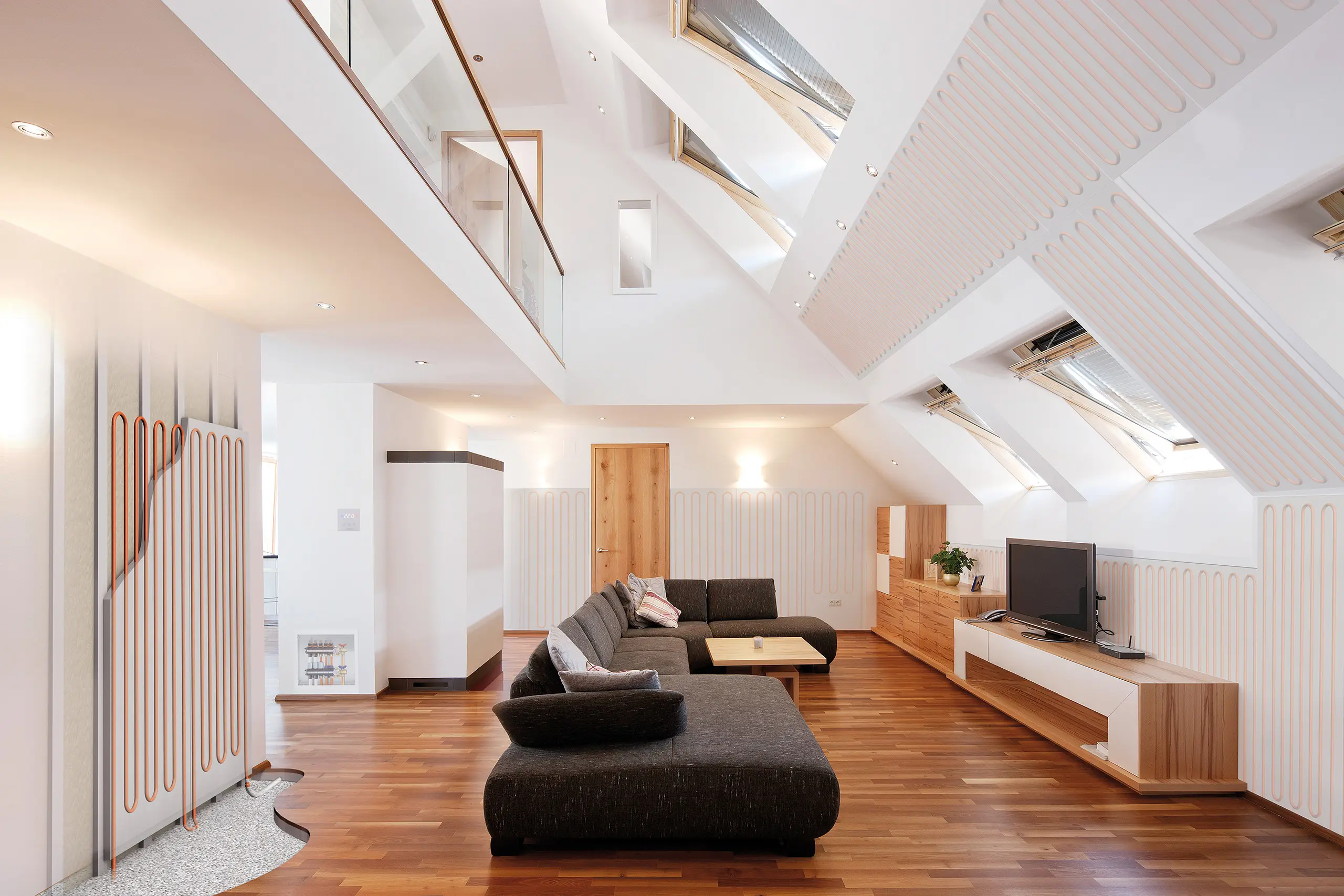
Homeowners today are constantly looking for ways to reduce energy costs while creating a more comfortable living environment. Although insulation, windows, and HVAC systems usually receive the most attention, drywall also plays an important role in a home’s overall energy performance. Modern drywall products are designed to work alongside insulation and air-sealing systems to improve thermal efficiency, regulate indoor temperatures, and reduce energy waste.
When installed correctly, drywall helps create an effective building envelope that limits unwanted air movement and supports consistent indoor comfort throughout the year. Whether you’re building a new home or remodeling an existing one, choosing the right drywall and ensuring professional installation can contribute to lower utility bills and long-term savings.
In this article, we’ll explore how modern drywall improves energy efficiency and why it has become an important part of today’s residential construction.
Drywall Is More Than Just a Wall Surface
Many people think drywall is simply the finished surface that supports paint and décor.
In reality, drywall serves multiple functions within a home’s construction. It helps separate living spaces, supports fire safety, reduces noise transmission, and contributes to the overall performance of exterior and interior wall systems.
When paired with proper insulation and sealing techniques, drywall becomes an important component in maintaining energy-efficient homes.
Reducing Air Leakage
One of the biggest causes of energy loss is uncontrolled air leakage.
Tiny gaps around framing, electrical outlets, plumbing penetrations, and drywall joints allow heated or cooled air to escape while outdoor air enters the home. This forces heating and cooling systems to work harder to maintain comfortable temperatures.
Properly installed drywall, combined with quality sealing materials, helps minimize these air leaks and improves overall energy performance.
Supporting Insulation Performance
Insulation performs best when it is enclosed within a properly finished wall system.
Drywall protects insulation from damage while helping maintain its position inside wall cavities. It also limits airflow that can reduce insulation effectiveness.
Without well-installed drywall, even high-quality insulation may not perform at its maximum potential.
Maintaining Consistent Indoor Temperatures
Modern drywall contributes to a more stable indoor environment.
By helping reduce drafts and improving the effectiveness of insulated walls, drywall allows homes to retain warm air during winter and cool air during summer. This creates more consistent temperatures throughout the home and improves everyday comfort.
Stable indoor temperatures also reduce strain on heating and cooling equipment.
Improving HVAC Efficiency
Heating and cooling systems operate more efficiently when conditioned air remains inside the home.
When drywall helps reduce air leakage, HVAC systems cycle less frequently because indoor temperatures remain more stable. Reduced system workload can extend equipment lifespan while lowering monthly utility costs.
Even small improvements in energy efficiency can generate meaningful savings over time.
Specialized Energy-Efficient Drywall Products
Today’s building industry offers several advanced drywall products designed to improve energy performance.
Some options include:
- High-density drywall panels
- Insulated drywall systems
- Moisture-resistant drywall
- Sound-reducing drywall
- Fire-resistant drywall with improved thermal properties
These products address different construction needs while contributing to overall building performance.
Moisture Control Improves Efficiency
Moisture affects both comfort and energy efficiency.
Excess humidity reduces insulation performance and increases the workload placed on air conditioning systems. Modern moisture-resistant drywall helps control humidity in bathrooms, basements, laundry rooms, and other damp areas.
Keeping wall systems dry also helps prevent mold growth and structural deterioration.
Thermal Mass Benefits
Although drywall is not a substitute for insulation, it does provide moderate thermal mass.
Thermal mass allows materials to absorb and slowly release heat, helping reduce rapid indoor temperature fluctuations. This contributes to a more stable indoor environment throughout the day.
Combined with proper insulation, drywall supports better overall energy management.
Energy Efficiency During Home Renovations
Replacing old or damaged drywall provides an opportunity to improve energy performance.
During remodeling projects, homeowners can upgrade insulation, seal air leaks, replace damaged framing, and install modern drywall systems that meet current building standards.
These improvements often deliver long-term benefits beyond appearance alone.
Proper Installation Is Essential
Even the most advanced drywall products perform poorly if installed incorrectly.
Gaps around panels, poorly finished joints, missing sealants, or damaged drywall reduce energy efficiency by allowing unwanted air movement.
Professional installation ensures tight-fitting panels, properly finished seams, and effective integration with insulation and air barriers.
The Long-Term Value of Quality Drywall
Energy-efficient drywall systems provide lasting value.
Lower heating and cooling costs, improved comfort, reduced maintenance, and better indoor air quality all contribute to long-term homeowner satisfaction. While premium materials may involve slightly higher upfront costs, they often produce savings over the life of the home.
Investing in quality construction materials benefits both comfort and resale value.
Why Professional Expertise Matters
Modern drywall systems require careful planning and installation to maximize performance.
An experienced Drywall company can evaluate your home’s existing wall system, recommend appropriate materials, and ensure every panel is installed with precision. Proper workmanship helps eliminate gaps, improve insulation performance, and create durable wall assemblies that contribute to long-term energy efficiency.
Professional guidance also helps homeowners choose drywall products suited to their specific climate and renovation goals.
Choosing the Right Contractor
Every drywall project is an investment in your home’s comfort and durability.
Working with a skilled professional drywall contractor ensures proper installation, accurate finishing, and compliance with current building standards. Experienced contractors understand how drywall interacts with insulation, vapor barriers, and air-sealing systems to maximize energy performance.
Their expertise helps homeowners achieve smoother walls, improved efficiency, and longer-lasting results.
Modern drywall plays a much larger role in home performance than many homeowners realize. Beyond creating smooth walls and ceilings, it helps reduce air leakage, supports insulation, improves indoor comfort, and contributes to greater energy efficiency. When combined with proper insulation and professional installation, drywall becomes an essential part of a well-sealed, energy-efficient home.
Whether you’re building a new house or renovating an existing property, investing in modern drywall systems can reduce energy costs, improve year-round comfort, and increase the long-term value of your home. Choosing quality materials and experienced professionals ensures your walls deliver both beauty and performance for many years to come.