

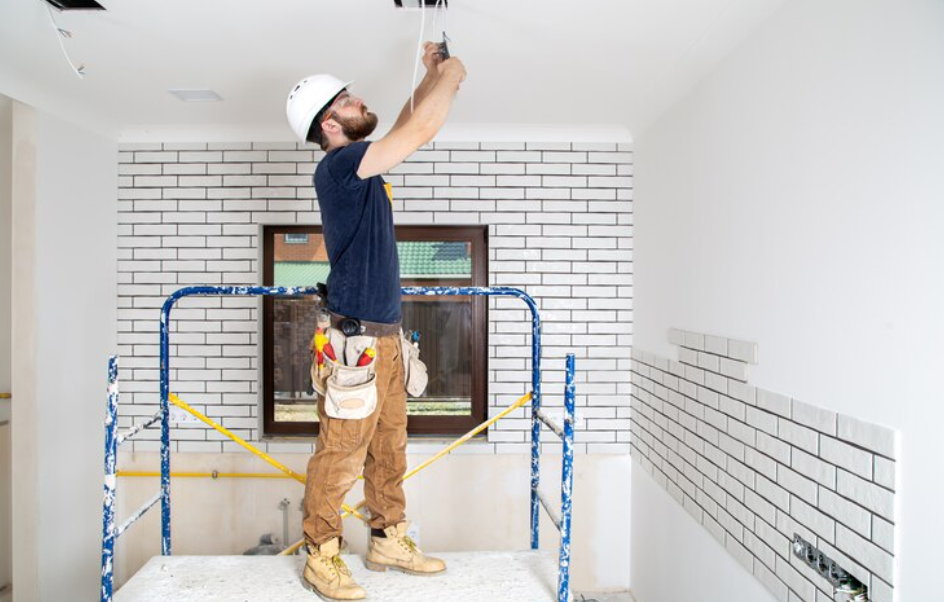
Planning a construction project involves much more than choosing a design and starting the work. A successful project needs careful planning, skilled professionals, quality materials, and proper installation services. From electrical work to plumbing and site preparation, each service plays an important role in making a building safe, useful, and long-lasting. Knowing which services you may need can help you organize your project and avoid costly problems later.
New Construction Electrical Services: Ensuring Safe Power Installation
Hiring new construction electrical services early can help make sure your building has a safe and reliable electrical system from the beginning. Electricians can plan wiring, outlets, lighting, electrical panels, and other important components according to the building’s needs. Proper electrical planning also helps reduce the risk of electrical faults and makes future upgrades easier.
Electrical Contractor: Supporting Your Electrical Needs
An electrical contractor can manage different parts of the electrical work during a construction project. From installing wiring to setting up lighting systems, an electrical contractor can make sure the work is completed according to safety requirements. Working with an experienced professional is especially important because electrical systems must be installed correctly to protect people and property.
Site Preparation: Creating a Strong Start
Before construction begins, the site needs to be properly prepared. Site preparation may include clearing the land, removing unwanted materials, leveling the ground, and preparing areas for foundations. Good preparation creates a stable base for the project and can help prevent construction delays caused by unexpected ground conditions.
Plumbing Services: Building a Reliable Water System
Plumbing is another important service to consider when planning a new building. Professional plumbers can install water supply lines, drainage pipes, fixtures, and other plumbing components. A well-designed plumbing system provides reliable access to water while allowing wastewater to leave the building safely. Planning plumbing work early also helps prevent conflicts with electrical and structural systems.
HVAC Services: Maintaining Indoor Comfort
Heating, ventilation, and air conditioning systems can have a major effect on indoor comfort. HVAC professionals can help select and install systems that are suitable for the size and design of the building. Proper planning can also improve energy efficiency and provide better temperature control throughout the property.
Roofing Services: Protecting the Building
The roof protects the building from rain, wind, heat, and other outdoor conditions. Professional roofing services can help ensure that the roof is properly designed and installed. Choosing suitable roofing materials and planning drainage correctly can also help reduce the chance of leaks and long-term structural damage.
Insulation and Drywall: Improving Interior Performance
Insulation helps control indoor temperatures and can reduce unwanted noise. It can also support better energy efficiency by limiting heat transfer between the inside and outside of the building. Drywall installation then helps create smooth interior walls and ceilings. Both services should be planned according to the building’s design and intended use.
Construction Inspection: Checking Quality and Safety
Regular inspections can help identify problems before they become expensive to repair. Construction professionals or inspectors can review different stages of the project to make sure the work follows approved plans and applicable requirements. Early detection of issues can save time and improve the overall quality of the finished building.
Conclusion
A construction project requires several services to move from an initial idea to a safe and functional building. Electrical, plumbing, HVAC, roofing, site preparation, insulation, and inspection services all contribute to the final result. By planning these services early and choosing qualified professionals, property owners can reduce delays, control costs, and create a building that performs well for years to come.